How to Become a Safari Guide or Game Ranger in South Africa

How to Become a Safari Guide or Game Ranger in South Africa

South Africa is an exciting place to build a career in wildlife and tourism. Becoming a guide or ranger can mean working outdoors, seeing wildlife and protecting the country’s natural heritage. However, enthusiasm alone is not enough. You need the correct training, practical ability and legal registration for your chosen work.

Understand the Difference Between a Guide and a Ranger
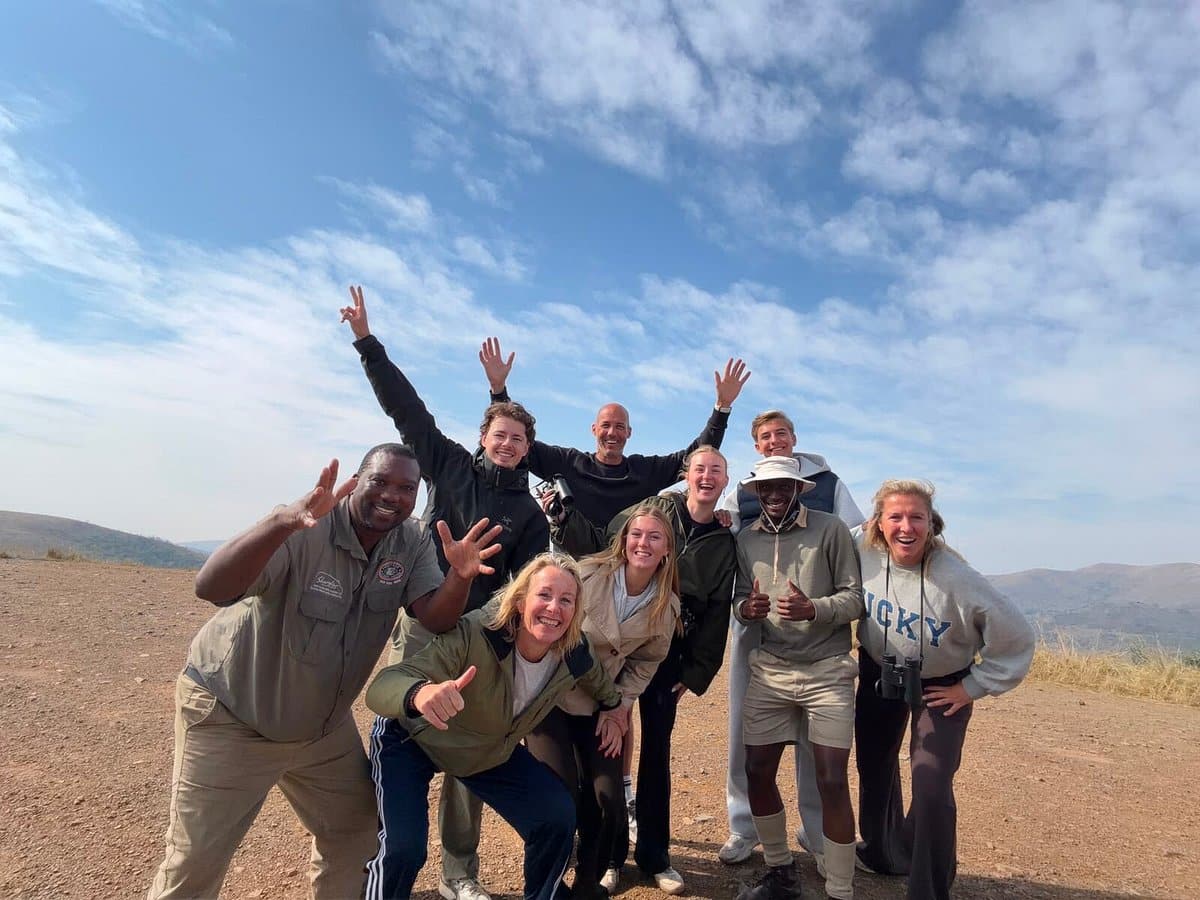
A safari or nature guide accompanies paying guests and interprets the wildlife, plants, landscapes and culture of an area. The guide is responsible for safety, hospitality and creating an interesting experience. Under South Africa’s Tourism Act, someone who guides visitors for payment must be properly qualified and registered with the relevant provincial authority. Department of Tourism

A field or game ranger primarily protects and manages a reserve. Duties may include patrols, wildlife monitoring, infrastructure inspections, fire management and anti-poaching work. Some people train in both fields, but qualifying as a guide does not automatically make someone a ranger, or vice versa.

Hides and Picnic Areas in the Hluhluwe iMfolozi Park

Choose the Career Path You Want

Before enrolling, decide whether you want to conduct game drives, guide at a particular reserve, lead walking safaris or join a conservation team.

For vehicle-based safaris, the usual starting point is a recognised entry-level nature-guiding qualification. Specialist activities, particularly walking in dangerous-game areas, require further training, supervised experience and assessment.

How to Become a Safari Guide or Game Ranger in South Africa

Complete Recognised Guide Training

Aspiring guides must train through an accredited provider offering a qualification recognised by the South African Qualifications Authority. Training normally combines theory with practical fieldwork. Subjects may include ecology, geology, weather, plants, mammals, birds, animal behaviour, conservation, guest care, communication, guiding techniques and safety.

The qualification system is changing. During 2026, nature-guiding education began moving from older CATHSSETA skills programmes towards the Quality Council for Trades and Occupations system.

Before paying a deposit, request the provider’s accreditation number, the exact qualification title and identification number, and confirmation that graduates can apply for legal tourist-guide registration. Verify this with CATHSSETA, the QCTO or the Provincial Tourist Guide Registrar. FGASA’s 2026 qualification update

FGASA remains an important professional organisation within the guiding industry, but membership alone does not replace the recognised qualification and government registration required to work legally.

Students generally pass theoretical and practical assessments. A guide must do more than name animals: they must plan an experience, brief guests, operate safely, interpret nature accurately and respond calmly when conditions change.

Why Choose a 2026 Hluhluwe Imfolozi Park Safari

Obtain First Aid and Register Legally

After being declared competent, the next step is registration with the Tourist Guide Registrar in the province where you will work.

The Department of Tourism lists the minimum requirements as:

  • South African citizenship or a valid work permit.
  • Proof of recognised guide training.
  • A valid first-aid certificate from a recognised institution.
  • Four passport-sized photographs.
  • A completed and signed application form.
  • Acceptance of the Tourist Guide Code of Conduct and Ethics.
  • Payment of the prescribed registration fee, currently listed as R240.

Registration must be renewed every three years. Once approved, the guide receives an official identification card and badge. Guides should operate only within the geographical area and type of activity for which they have been trained and registered. Official registration requirements

How to Become a Safari Guide or Game Ranger in South Africa

Driving and Specialist Requirements

Most safari employers expect a valid driving licence and off-road driving ability. Transporting guests for payment on public roads generally also requires the appropriate Professional Driving Permit, commonly called a PrDP or PDP. Employers may impose further medical, vehicle or insurance requirements. Professional Driving Permit information

Walking safaris in dangerous-game areas require specialist trails training, mentored experience, logged hours and further assessment. Armed duties also require legal firearm competency and approved weapons training. An ordinary field-guide course does not authorise someone to carry a rifle or lead guests on foot among dangerous animals.

2026 Hluhluwe Imfolozi Park Safari, Plan the Ultimate Big 5 Experience

Becoming a Field Ranger

For a field-ranger position, apply to SANParks, provincial conservation authorities, private reserves and conservation organisations. Requirements vary but may include Matric, physical fitness, a clear criminal record, a driving licence, basic field-ranger training and conservation knowledge.

SANParks recruitment has included physical screening, interviews, cognitive and aptitude tests, followed by basic field-ranger training. A diploma or degree in nature conservation or conservation management can improve long-term prospects, especially for senior or reserve-management positions. SANParks field-ranger recruitment example

hluhluwe imfolozi park safari

How to Become a Safari Guide or Game Ranger in South Africa

Build Experience and the Right Attitude

Qualifications open the door, but character and experience build a career. A guide or ranger must be responsible, observant, physically prepared and willing to learn. Guiding also requires patience, storytelling ability and a genuine interest in people. Expect early mornings, long days and difficult weather.

Internships, lodge placements, volunteering and mentored work can provide valuable experience. Additional skills in birding, tracking, languages, photography, hospitality and advanced first aid can also make an applicant more employable.

Becoming a guide or ranger in South Africa takes commitment, but it offers the opportunity to turn a love of wildlife into meaningful work. Choose the correct path, verify your training provider carefully and never stop developing your knowledge and practical skills.

heritage tours & safaris logo
Heritage Tours & Safaris Turns 24 Years Old