About Hluhluwe iMfolozi Park: History, Conservation, Wildlife and Camps
Learn the History, Conservation legacy and Wildlife of the Hluhluwe iMfolozi Park, plus a complete guide to the Accommodation inside the park.
Overview
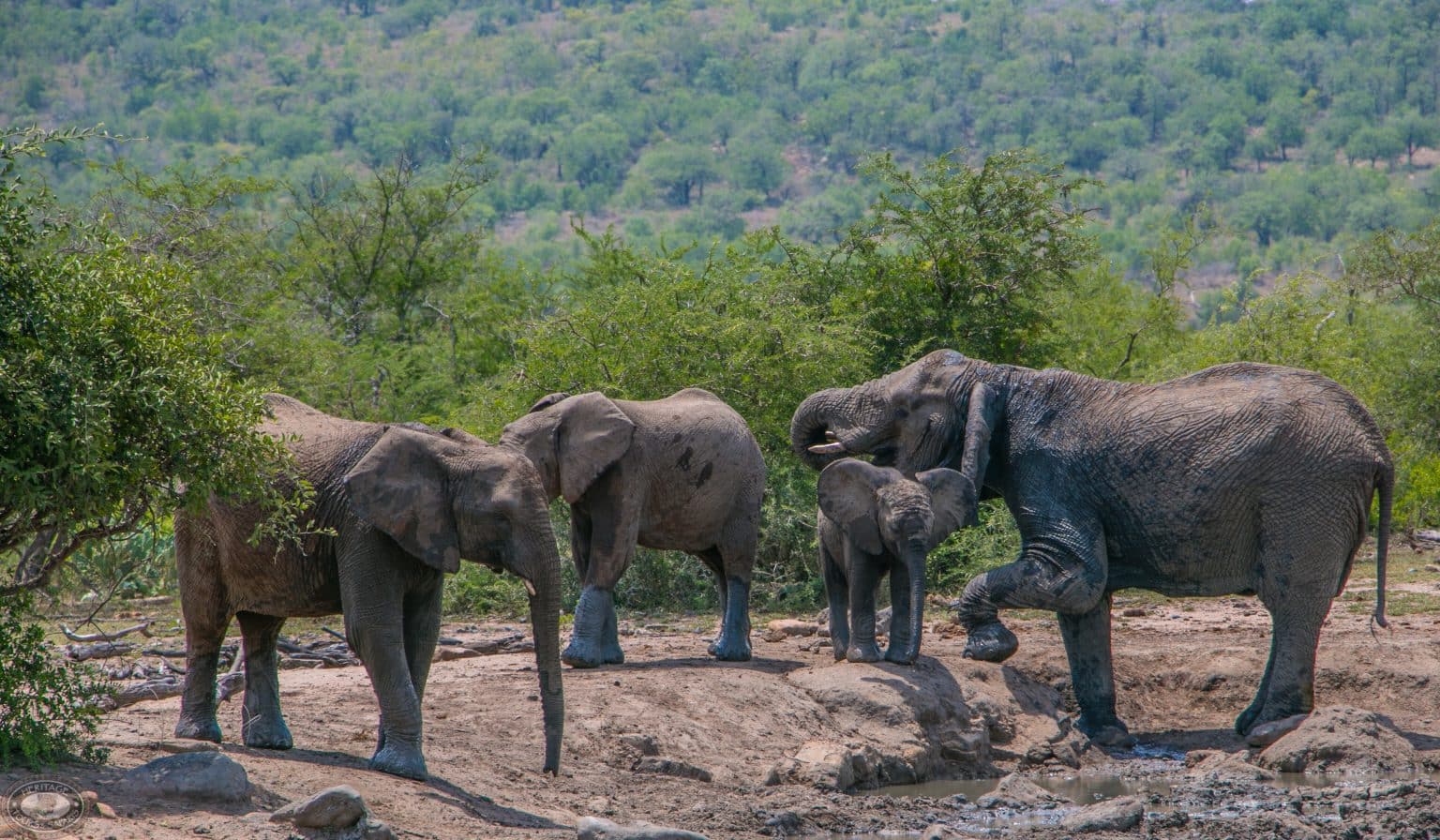
The Hluhluwe iMfolozi Park is one of Africa’s most historically significant protected areas and remains one of South Africa’s most important conservation landscapes. The park covers ninety six thousand hectares and brings together two older reserves: the Hluhluwe section in the north and the iMfolozi section in the south. A protected “corridor” linking these areas was established in 1989, creating one contiguous conservation area.
The park is widely recognised for its role in rhinoceros conservation and for supporting a wide range of habitats that sustain dozens of mammal species and hundreds of bird species. It is also a state-managed protected area under Ezemvelo KwaZulu Natal Wildlife, the provincial conservation authority.

Where the park is and how it is laid out
The Hluhluwe iMfolozi Park lies in KwaZulu Natal, South Africa, within a region long associated with the history of the Zulu Kingdom.
The North and South: Hluhluwe versus the iMfolozi Park
Although it is managed as one park today, the two main sections still feel distinct:
-
Hluhluwe (north) is generally described as more rugged, with hills, forested areas and grasslands.
-
iMfolozi (south) is often characterised by more open savanna, especially around the Black iMfolozi and White iMfolozi river systems.
These differences matter ecologically: changing vegetation types influence where grazers and browsers spend time, how predators hunt, and how wildlife movements shift between seasons.
The Corridor and the Corridor Road
Historically, the Hluhluwe and iMfolozi were managed separately. The creation of the Corridor Game Reserve in 1989 physically linked them into a larger continuous ecosystem.
Visitors will often hear references to a “corridor road” because a major through-road runs through the central area between the two older reserves, a legacy of the period when the corridor still separated them. This road remains a practical route across the park and is one reason people speak about the park as having a northern and southern “side.” This road the R618 corridor road connects Hlabisa and Mtubatuba.

History: from Royal Hunting grounds to Protected Area
The landscape that forms the Hluhluwe iMfolozi Park has deep human history. Archaeological evidence in the broader area includes sites dating back to the Iron Age, and the region is closely tied to the development of the Zulu Kingdom. Official park information highlights historic connections to “old Zululand” and to the era of King Shaka, with numerous historic sites found in and around the reserve landscape.
Proclamation and Early Protection
Modern protection of the area dates to the late nineteenth century. The Hluhluwe and iMfolozi reserves were established in 1895, placing them among the oldest formally protected game reserves in Africa.

The 1989 Corridor Link
For much of the twentieth century, the two reserves existed as separate protected areas. The establishment of the Corridor Game Reserve in 1989 connected them, forming the continuous conservation landscape now known as the Hluhluwe iMfolozi Park.

Conservation Legacy and why the Park Matters
The Hluhluwe iMfolozi Park is globally significant for one central reason: rhinoceros conservation.
Operation Rhino and the Recovery Story
Official information from the iMfolozi section explains that Operation Rhino has its roots in the Hluhluwe iMfolozi Park and was initiated in the 1960s to move rhinoceroses from the park to other protected areas and suitable private land, helping rebuild populations beyond this one stronghold.
A critical stronghold for Black and White Rhinoceros
Conservation organisations describe the Hluhluwe iMfolozi Park as holding one of the densest populations of black rhinoceros and white rhinoceros on the continent, and as an important refuge for both species.
This status also brings pressure: rhinos face ongoing threats from illegal wildlife trade, and state conservation agencies and partners continually adapt security and monitoring strategies. (Specific annual poaching figures can change year to year, so it is best to consult current provincial reports if you need up-to-date numbers.)
Reintroductions and long-term management
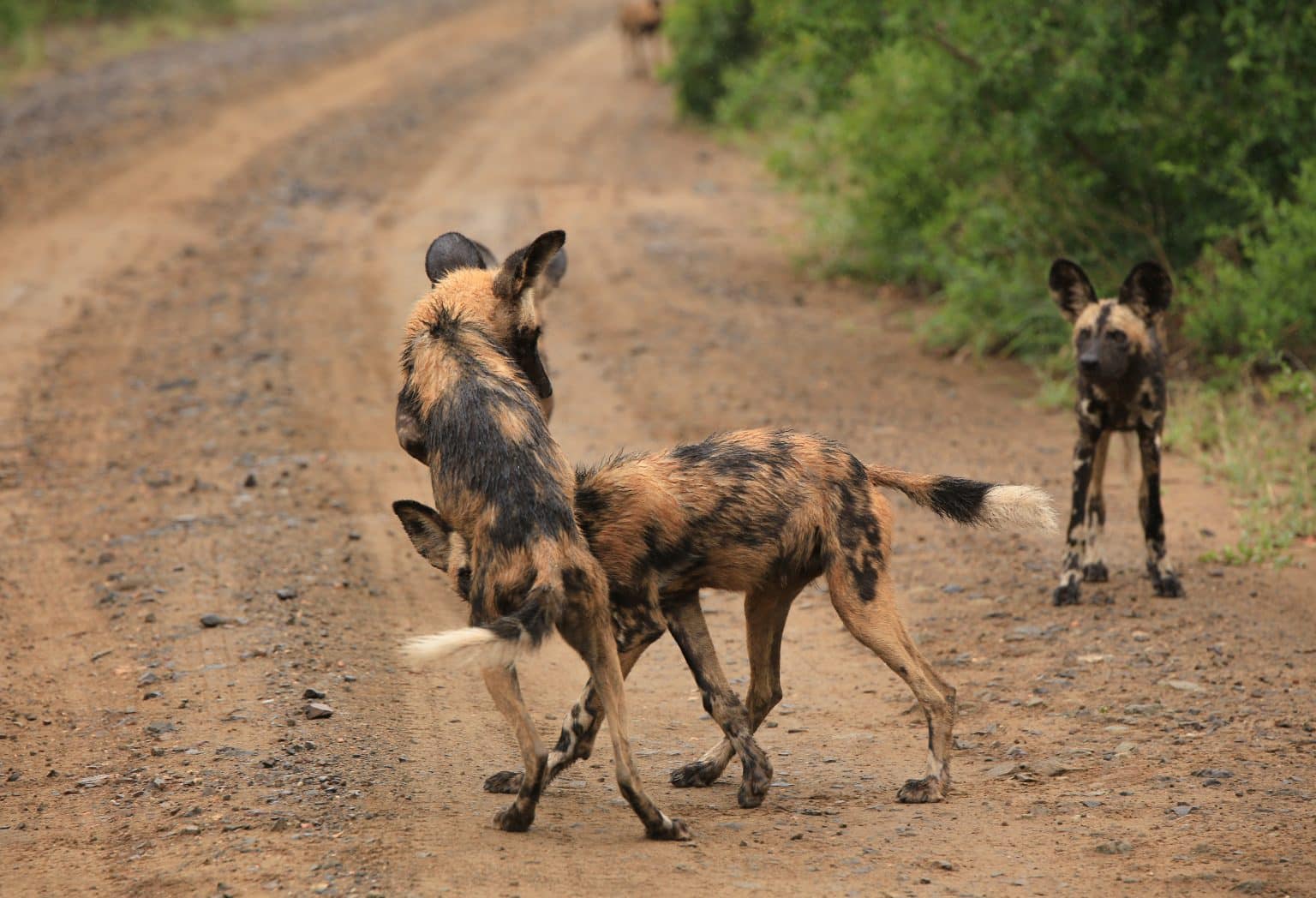
The corridor connection improved landscape-scale conservation by allowing wider natural movement, supporting genetic exchange, and enabling more coherent ecological management across a larger continuous system. Conservation organisations note that species that had disappeared locally have since been reintroduced and that the expanded ecosystem supports a broader mix of wildlife, including Cheetahs and African Wild Dogs.
Habitats and Wildlife Diversity
One of the park’s strengths is its habitat variety across its north–south gradient. This supports a high biodiversity:
-
Official iMfolozi information notes a wide range of habitats and reports around eighty species of mammals and more than three hundred bird species in the park.
-
Large herbivores shape grassland dynamics, while riverine vegetation and woodland areas support browsers, smaller antelope, and many bird species.
Because the park combines hill systems, open savanna, and riverine corridors, animal distribution can be dynamic. Predators follow prey concentrations; grazers track fresh grass after rains; browsers rely on woody vegetation that varies by slope, soil type, and fire history.

Key Wildlife Species found within the Hluhluwe Imfolozi Park
White Rhinoceros (southern white rhinoceros)
-
Feeding ecology: White rhinoceroses are primarily grazers, specialising in short grasses. Their wide, square muzzle is adapted for cropping grass close to the ground.
-
Social structure: They can be relatively social compared with black rhinoceroses, with females and subadults often seen in small groups. Adult males tend to be more territorial.
-
Conservation importance of the park: Hluhluwe iMfolozi Park is widely referenced as one of the most important strongholds for the southern white rhinoceros and is described as the genetic home of the white rhinoceros in official park information.
Black Rhinoceros
-
Feeding ecology: Black rhinoceroses are primarily browsers, feeding on leaves, shoots, and woody shrubs. Their pointed, prehensile upper lip helps them grasp vegetation.
-
Behaviour: They are typically more solitary and can be more reactive to disturbance than white rhinoceroses.
-
Why they matter here: Conservation organisations highlight the park as an exceptionally important refuge for black rhinoceroses, including strong population density relative to many other protected areas.
African buffalo
-
Feeding ecology: Buffalo are bulk grazers that favour productive grassland and often stay within reach of water.
-
Herd dynamics: Herd size and structure shift with seasons and local conditions. Larger herds may form around good grazing and reliable water, while smaller groups may split off.
-
Ecological role: Buffalo help shape grassland structure through intense grazing pressure and are important prey for lions.
Lion
-
Social predator: Lions are the most social of the large cats, living in prides that typically include related females, their offspring, and one or more adult males.
-
Hunting: They use ambush and group strategy, often hunting at night or during cooler periods.
-
Ecological role: As apex predators, lions influence prey behaviour and can indirectly shape grazing patterns and habitat use.
Leopard
-
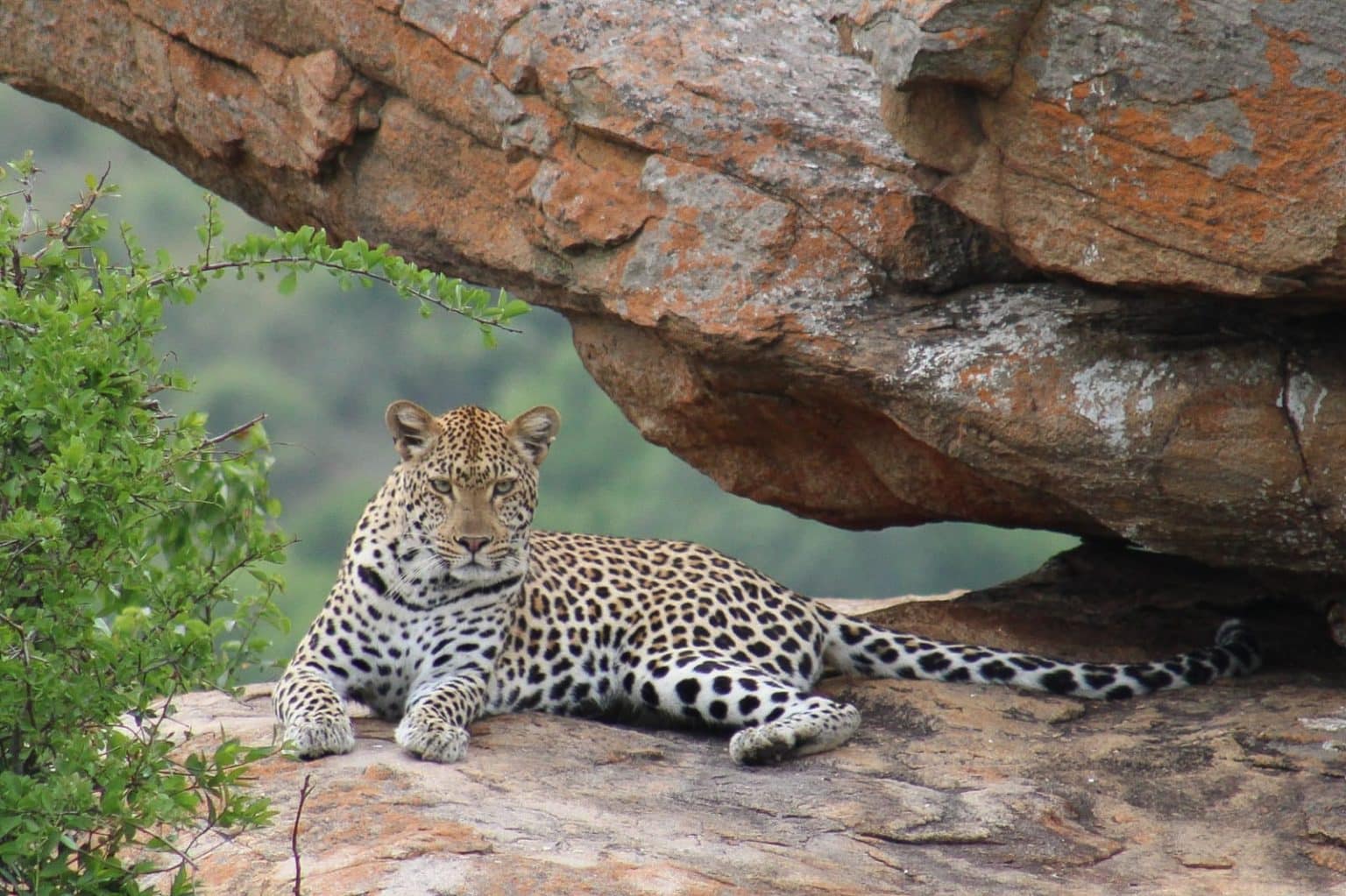
Solitary and adaptable: Leopards are typically solitary, territorial cats that thrive in a range of habitats, including woodland and riverine areas where cover supports ambush hunting.
-
Diet: Opportunistic, feeding on prey from small mammals and birds up to medium-sized antelope, depending on local availability.
-
Behavioural note: Leopards are often less visible than lions or cheetahs because of their solitary habits and preference for thick cover.
Cheetah
-
Speed specialist: Cheetahs are built for short, high-speed chases on open ground. Their hunting success relies on a burst of speed followed by rapid recovery.
-
Habitat preference: They are most associated with more open habitats where visibility helps them stalk and sprint.
-
Conservation context: Cheetahs are noted among the park’s flagship predators in conservation-focused descriptions of the area.
African Wild Dog
-
Pack hunter: African wild dogs live in cooperative packs with strong social bonds. They hunt using endurance and coordination, often covering long distances.
-
Reproduction and pack structure: Typically, one dominant breeding pair produces most pups, with other pack members helping raise them.
-
Conservation importance: Wild dogs are considered a priority conservation species across Africa due to habitat fragmentation, disease risk, and conflict outside protected areas. Conservation organisations specifically highlight Hluhluwe iMfolozi Park as a place where wild dogs occur and where protected habitat contributes to their persistence.
The Centenary Centre (iMfolozi section)
The Centenary Centre is a key visitor and interpretation facility in the iMfolozi section of Hluhluwe iMfolozi Park. It is located within the park system close to the Nyalazi Gate area and is an easy drive from the Mpila Resort, making it a practical stop for visitors moving through the southern landscapes of the reserve.
The centre’s primary value is educational and conservation-focused. It provides guided access to the Game Capture Complex during capture season, offering a structured way for visitors to learn about the park’s long-standing work in wildlife capture, handling, and translocation a set of conservation tools historically used to support population management and the establishment of wildlife populations in other protected areas. Alongside this, the centre includes an interpretation centre on game capture, designed to explain the rationale, methods, and conservation outcomes associated with these programmes.
The Centenary Centre also includes a community-run craft market and a refreshment kiosk, supporting local enterprise while providing basic services to visitors inside the park. The official visitor information for Mpila notes that the Centenary Centre take-away restaurant is open daily from 08:00 to 16:00, and that it provides light meals.
In addition to tourism services, the Centenary Centre is also used as a venue for environmental education and community conservation activities. For example, Ezemvelo KwaZulu Natal Wildlife’s annual reporting records conservation education workshops held at the Centenary Centre as part of broader environmental awareness initiatives linked to the park.
For some additional information regarding Non-Profit Conservation, (Wildlife-Act)

Accommodation camps inside Hluhluwe iMfolozi Park
Below is a consolidated, park-focused list of accommodation options located inside Hluhluwe iMfolozi Park. Facilities and operating status can change, and some bush lodges are occasionally closed for refurbishment or management reasons, so it is wise to confirm current availability through the official booking channels.
Hluhluwe section (north)
Hilltop Resort
Hilltop is the best-known main camp in the Hluhluwe section and is described by the provincial conservation authority as the flagship resort of the park, with a long history as a tourist facility and a wide variety of accommodation.
Mtwazi Lodge
A sole-use lodge associated with the Hilltop area is commonly listed as Mtwazi Lodge (sometimes described as the former home of an early reserve warden in historical accommodation listings).
Muntulu Bush Lodge
Muntulu is one of the named bush lodge facilities within the Hluhluwe section, typically described as more secluded than the main camp. Some listings note that it can be closed at times, depending on management and maintenance cycles.
Munywaneni Bush Lodge
Often written as Munywaneni (and sometimes as Munyawaneni in older references), this is another bush lodge facility linked to the Hluhluwe section. Like other bush lodges, it may be temporarily closed in certain periods.
iMfolozi section (south)
Mpila Resort
Mpila is the main accommodation hub within the iMfolozi section and is described by the provincial conservation authority as being set in one of Africa’s oldest reserve landscapes.
Nselweni Bush Camp
Nselweni is a named bush camp option within the park and appears in provincial reservation documentation as part of the park’s accommodation inventory.
Masinda Lodge
Masinda Lodge is referenced in official reservation documentation alongside other park lodges and bush lodge power arrangements, indicating its status as an internal accommodation option.
Hlatikhulu Bush Lodge
Hlatikhulu is listed among the park’s bush lodge facilities associated with the iMfolozi side and is commonly grouped with other bush lodges and camps located inside the protected area.
Gqoyeni Bush Lodge
Gqoyeni is also listed among the bush lodge options inside the park, commonly associated with the riverine environment of the iMfolozi side.
Private lodge within park boundaries
Rhino Ridge Safari Lodge
Travel references describing accommodation within the park’s boundaries identify Rhino Ridge Safari Lodge as the only private lodge located within Hluhluwe iMfolozi Park, operating within a private concession area inside the protected landscape.

Hides and Picnic Areas in the Hluhluwe iMfolozi Park
Game-viewing hides
-
Thiyeni Hide
-
uBhejane Hide (also written as Bhejane / Bhejani Bird Hide)
-
Mphafa Hide
-
Hilltop Game Viewing Hide (the hide at Hilltop Resort)
Hides are incredible, not only for wildlife sightings but also to stretch ones legs. Please note that these areas are not fenced and caution must be taken at all times.
Picnic areas / picnic sites
-
Maphumulo Picnic Site (also written as Maphamulo / Mapumulo)
-
Siwasamakhosikazi Picnic Site (also written as Siwasamikhosikazi)
-
Sontuli Picnic Site
-
Mbondwe Picnic Site (often referred to as Umbondwe)
-
Umganu Picnic Area (often mentioned as a picnic stop / lookout area in the park)
-
Hilltop Picnic Area
-
Mpila Picnic Area
As a treat should you be on a self drive safari why not pack a breakfast or lunch and enjoy at one of the numerous picnic spots within the park. Once again it is important to realise that these areas are not fenced so caution must be taken.

Rivers and Water Systems in the Hluhluwe iMfolozi Park
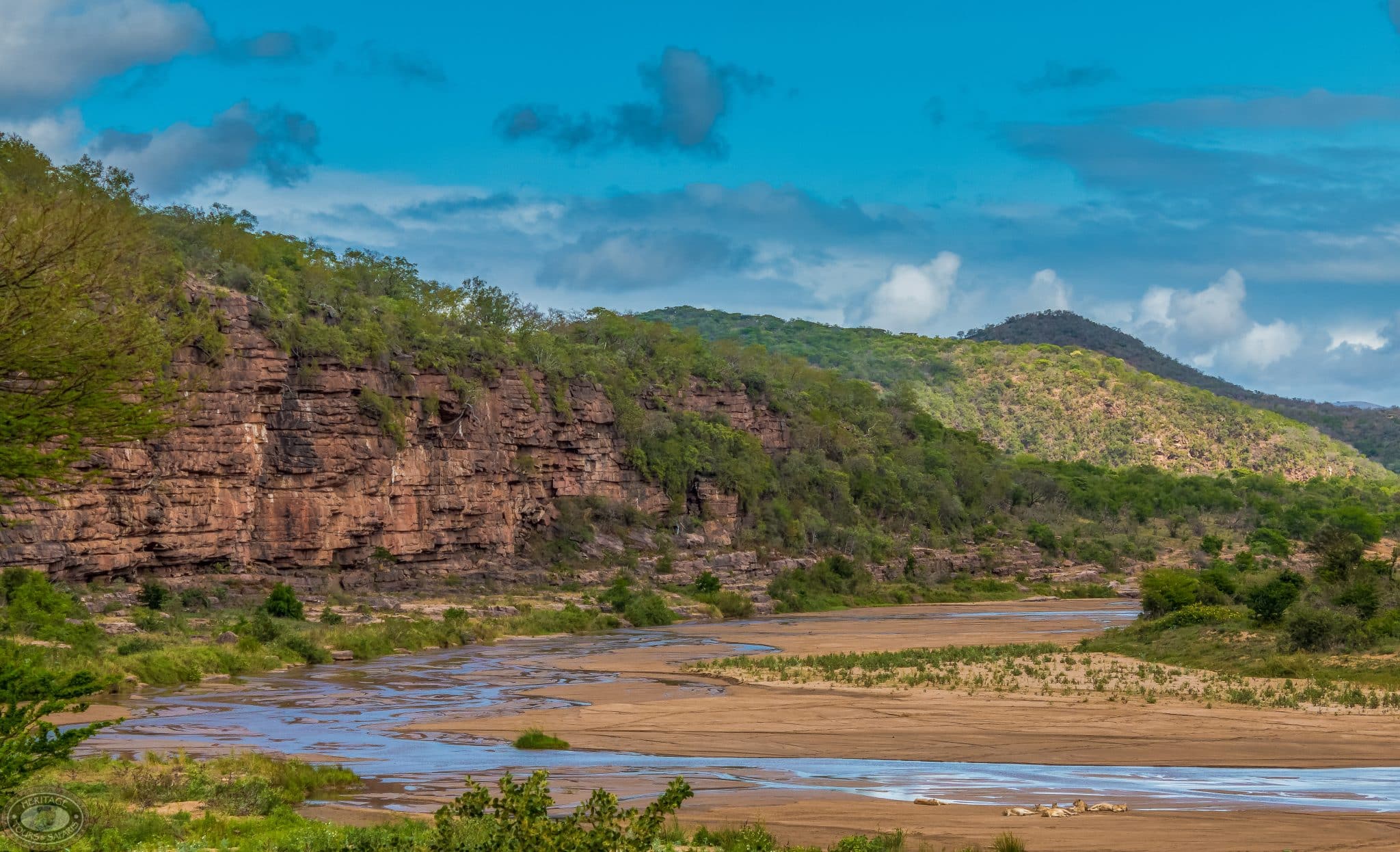
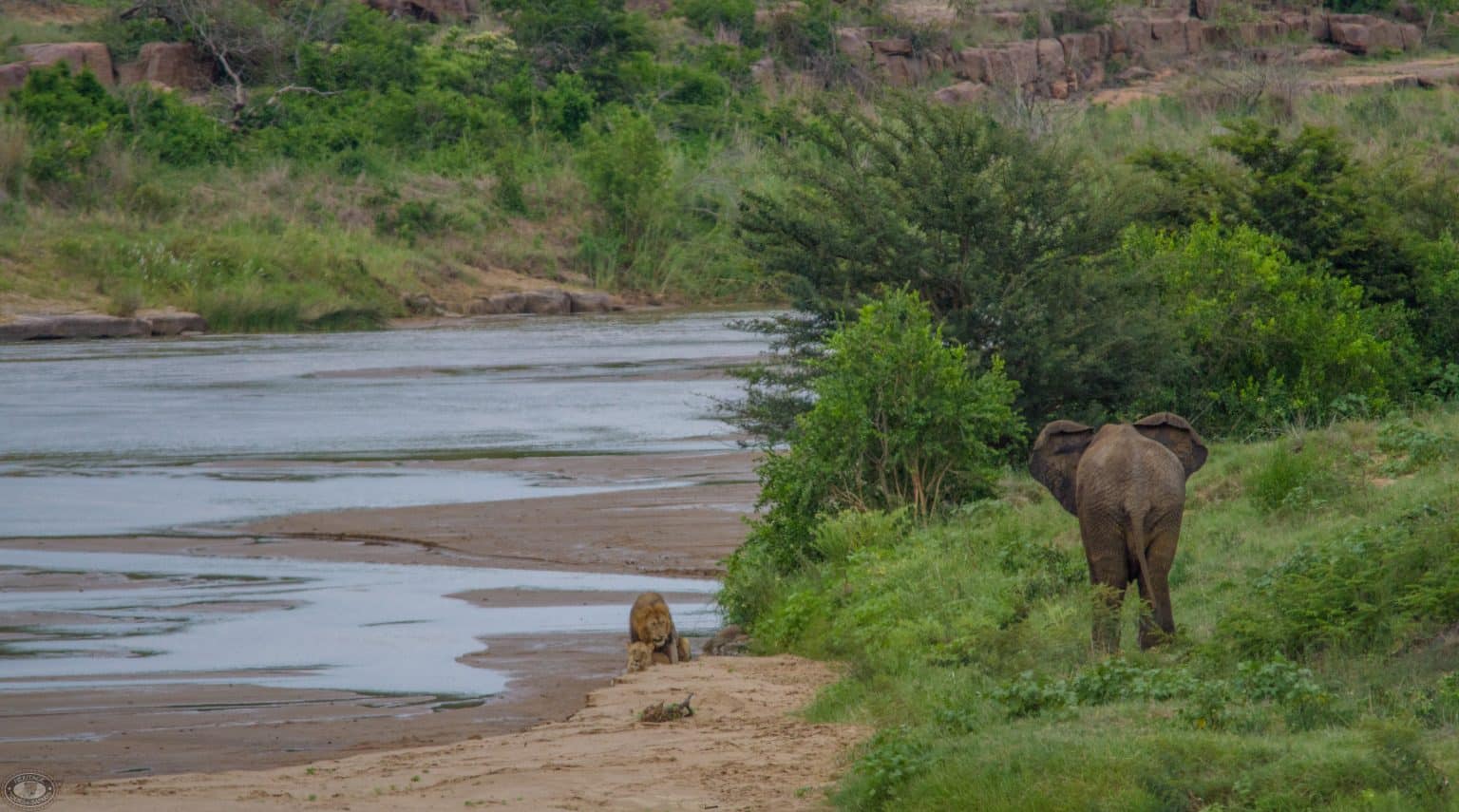
The Hluhluwe iMfolozi Park is shaped by three main river systems: the Black iMfolozi River, the White iMfolozi River, and the Hluhluwe River. These watercourses and their associated drainage lines form the backbone of the park’s ecology, influencing habitat patterns, animal distribution, and overall biodiversity.
The Black iMfolozi River and the White iMfolozi River
In the southern iMfolozi section, the landscape is closely associated with the Black iMfolozi River and the White iMfolozi River. The area is commonly described as lying between these two rivers, with broad valleys and floodplain zones that support open savanna and productive grazing areas. These river corridors create important habitat transitions between riparian vegetation, woodland, and open grasslands.
The Hluhluwe River
In the northern Hluhluwe section, the Hluhluwe River forms a key drainage line and is linked to floodplain and riparian habitats that differ from the more open southern river valleys. River-associated habitats in the north contribute to the park’s strong bird diversity and provide structurally complex vegetation that supports a wide range of smaller mammals, antelope, and predator hunting cover.
Why the rivers are important
Rivers and associated drainage lines are essential to the park for several reasons:
-
Water availability and seasonal resilience: River systems, pools, and riparian zones help sustain wildlife through drier periods by concentrating water and maintaining greener vegetation patches for longer than surrounding slopes and plains.
-
Habitat diversity: Riparian areas support different plant communities from adjacent savanna and hills, increasing overall habitat variety. This habitat variety is one reason the park supports a high diversity of mammals and birds.
-
Food webs and predator prey dynamics: River valleys often carry richer soils and more productive grazing. This can attract large herbivores such as buffalo and other grazers, which in turn influences where predators such as lion, leopard, cheetah, and African wild dog spend time and hunt.
-
Natural movement routes: River corridors function as landscape “threads” that guide animal movement, offering shade, cover, and predictable feeding areas. These corridors also help connect the northern Hluhluwe and southern iMfolozi sections within the larger park system.
How to get to the Hluhluwe iMfolozi Park from Each Entrance Gate

The Hluhluwe iMfolozi Park has three main entrance gates: Memorial Gate (north), Nyalazi Gate (central), and Cengeni Gate (west). You can enter through any gate and drive through the park to explore both the Hluhluwe (north) and iMfolozi (south) sections because the park is connected and there is no internal barrier between the two areas.
Memorial Gate (northern entrance, easiest access to the Hluhluwe section)
-
From the National Route 2, use the Hluhluwe and Sodwana Bay off-ramp, then follow P453 (R22) toward Hluhluwe iMfolozi Park and continue to Memorial Gate.
-
From Hluhluwe town, follow the R22 toward the National Route 2 bridge and continue on the R22 to reach Memorial Gate.
Nyalazi Gate (central entrance, convenient for the corridor and iMfolozi access)
-
From the National Route 2, take the R618 off-ramp at the Mtubatuba and Hlabisa turnoff, then follow the R618 toward Hlabisa and the park. The route is clearly signposted, and Nyalazi Gate is about twenty five kilometres from the off-ramp.
Cengeni Gate (western entrance, direct access into the iMfolozi side)
-
Approach via Ulundi and follow the P700 east toward the park to reach Cengeni Gate.
-
Cengeni Gate is commonly described as the only western entrance to the park and is roughly about thirty kilometres east of Ulundi (distance can vary slightly depending on your exact starting point in Ulundi).
Frequently asked questions About the Hluhluwe Imfolozi Park
About the Author
Written by Heritage Tours and Safaris 2026
Heritage Tours and Safaris is a KwaZulu Natal based safari operator with a long-standing focus on nature-based travel and conservation-aware guiding in the region. Our team works closely with protected area regulations and best-practice field guiding standards, with an emphasis on accurate, responsible wildlife interpretation.
This article was prepared to provide a clear, factual overview of Hluhluwe iMfolozi Park’s history, conservation legacy, key wildlife species, and in-park accommodation options for travellers and researchers looking for reliable background information.
