Heritage Spotlight: Hluhluwe Imfolozi Park, iSimangaliso Wetland Park, St Lucia
The area that we offer Safaris in is truly an incredible one, here are some amazing and interesting facts regarding these areas Spotlighting our Heritage.
The following three areas all fall within a radius of 54km, the History, Conservation and Wildlife makes this area truly remarkeable.

Heritage Spotlight
1. Hluhluwe–Imfolozi Park: Africa’s Oldest Game Reserve
- 96000 Hectares in size
- Home to the African Big 5 (Both Black & White Rhinoceros, Buffalo, Lion, Leopard and Elephant's)
- Other predators include Cheetah, Wild Dogs and Hynena
- Established in 1895
The Hluhluwe–Imfolozi Park is the oldest proclaimed nature reserve in Africa, established on 30 April 1895 and covering an impressive 960 km² of rolling hills, open savannah grasslands and bush. Situated about 280 km north of Durban in KwaZulu‑Natal making for easy access.
Archaeological evidence is evident with stone‑age settlements and iron‑smelting sites which attests to human presence here for millennia, and the Zulu histories recalls its designation as a royal hunting ground in the era of King Shaka.

The park is famed for its pioneering Save the Rhinoceros campaign in the 60’s by the late 19th century, the Southern White Rhinoceros had been hunted to near‑extinction; an isolated remnant population of 20–100 animals was saved when the Umfolozi and Hluhluwe reserves were proclaimed.
Under warden Ian Player’s “Operation Rhino” (1950s–60s), hundreds of White Rhinoceros were translocated to establish new populations elsewhere, helping rebuild the global population from just a few hundred to over 19 500 individuals today.
Most amazingly most of the White Rhinos today on Earth can trace there blood lines back to the Hluhluwe Imfolozi Park. A visit to the Centenary Centre in the Imfolozi side of the park still showcases techniques developed during the days of Translocation.
Alongside its Big Five mammals (Lion, Leopard, Elephant, Buffalo, White rhino & Black Rhino), the Hluhluwe–Imfolozi supports 86 other mammal species and over 340 bird species, making it one of South Africa’s premier and magnificent Wildlife‑Viewing Destinations, ideal for both self-guided drives or an organised Big 5 Safari.
Expanded Focus on Wildlife & Conservation Efforts Today:
The Hluhluwe–Imfolozi remains at the forefront of anti‑poaching innovation. Its rangers employ numerous technologies including Drones, Infrared Cameras, GPS‑tracked patrol vehicles and canine units to detect and reduse activity before it escalates. This approach has reduced rhino losses in the past years.
Regular aerial surveillance complements foot patrols through dense bush, ensuring rapid response to any poaching alerts. Please note that some road access within the park will indicate no entry signs, these access roads are utilised for ani poaching units. Please refrain from making use of these roads.
Beyond Rhinoceros (Black & White), the park is a stronghold for several other threatened species. African Wild Dogs (Painted Dogs) were first reintroduced here in 1981 and, despite early setbacks, continued releases have gradually built a stable pack this is a truly encouraging sign given their near‑extirpation elsewhere.
Other Conservation efforts include Elephant Management Programs, including careful relocations to balanced habitats, help maintain healthy herd dynamics and minimize human‑wildlife conflict on the park’s fringes.
Meanwhile, the Hluhluwe Lion Project monitors Lion prides via radio‑collaring and non‑invasive genetics to ensure sustainable population growth.

Conservation Partnerships with NGOs and research institutions such as WildlifeAct, Save the Rhino International and Peace Parks Foundation underpin long‑term ecological monitoring—from rainfall‑driven vegetation shifts to predator‑prey cycles—informing adaptive management strategies.
Community outreach initiatives are present, such as eco‑tourism training and revenue‑sharing schemes, further cement local support for the importance of both wildlife and communities living together, recognizing that the park’s future rests on both biological resilience and human stewardship.
Heritage Tours & Safaris offers daily Hluhluwe Safaris, why not join us on a magnificent Big 5 Safari.


Heritage Spotlight
2. St Lucia, KwaZulu-Natal: Gateway to iSimangaliso
The settlement of St Lucia takes its name from the early Portuguese sailors. In 1554 survivors of the ill‑fated carrack São Bento dubbed the Estuary “Rio dos Médãos do Ouro” (“River of the Gold Dunes”), but on 13 December 1575 St Lucy’s feast day, Manuel Perestrello renamed it to Santa Lucia and then the British formally proclaimed St Lucia a township in 1822, and then in 1895 the surrounding area of St Lucia Game Reserve was established, later becoming part of the Greater St Lucia Wetland Park, then in 1999 the St Lucia Wetland Park once again was renamed to iSimangaliso Wetland Park.
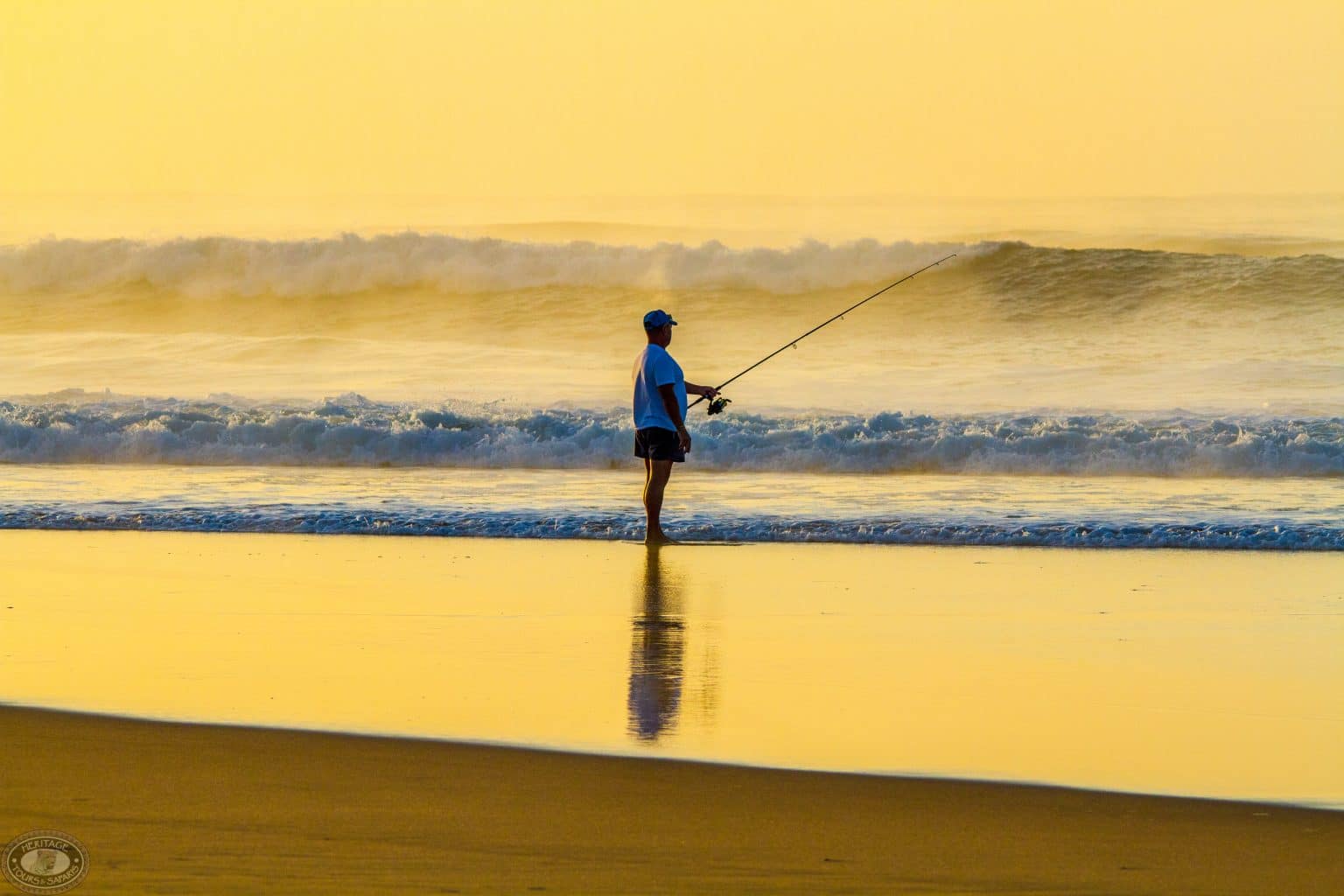
Today the small town with a, (population approx. 1000 residents) serves as the gateway to the iSimangaliso Wetlands Park. Formerly a small fishing village this town has become recognised world-wide with it’s Hippos that frequent town regularly in search of grazing grass.

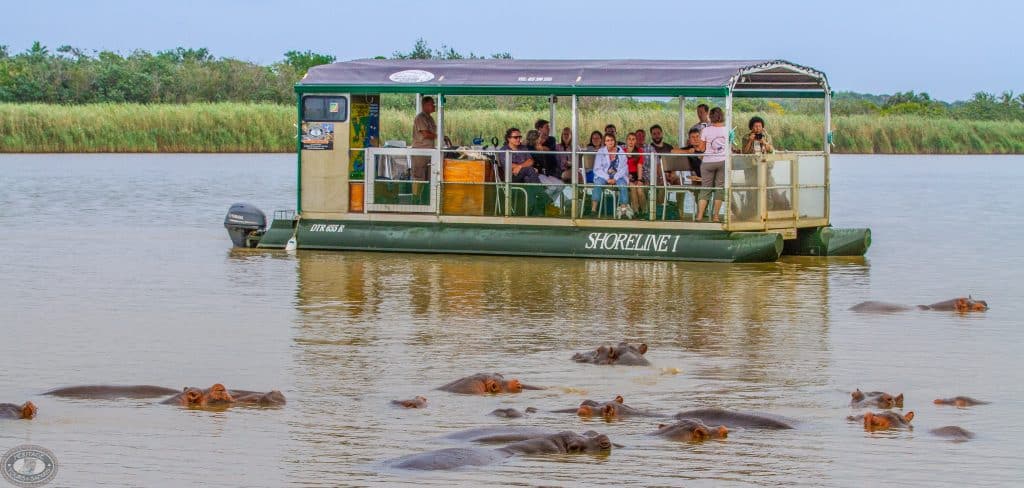
Set in the south of the park St Lucia lies within the iSimangaliso Wetland Park, cut off to the East by the Indian Ocean and to the West the St Lucia Estuary with its 800 or so resident Hippos and 1200 Nile Crocodiles.
St Lucia is also the gateway to both the Eastern Shores and the Western shores of the park. This is truly the ideal place from were to start navigating this impressive area of either the Hluhluwe Imfolozi Park or the iSimangaliso Wetlands Park.

One of the have to do’s while in St Lucia has to be the Hippo Boat Cruises, or maybe a Night Drive into the Eastern Shores. Herewith a Full-List of Tours & Safaris available directly from St Lucia (iSimangaliso Wetland Park Activities)


Heritage Spotlight
3. iSimangaliso Wetland Park: South Africa’s First World Heritage Site
Covering an impressive 239,566 hectares of coast, coastal dunes, estuaries, lakes, wetlands, forests and marine reserves, the iSimangaliso Wetalnd Park is South Africa’s third‑largest protected area. Its conservation history dates back to the Zululand Government’s first reserves in 1895; in 1999 the park was renamed from “Greater St Lucia Wetland Park” to iSimangaliso (“a miracle” in Zulu) to reflect its extraordinary natural phenomena.

In December 1999 iSimangaliso was inscribed into the UNESCO World Heritage List under criteria vii, ix and x. It was recognized for its
- Superb Superlative Natural Beauty (vii): 220 km of undeveloped coastline, shifting salinity states in Lake St Lucia, mass marine turtle nesting and aggregations of waterfowl.
- Ongoing ecological and geological processes (ix): interplay of fluvial, marine and aeolian processes driving speciation in the Maputaland Centre of Endemism.
- Exceptional biodiversity (x): habitat for over 6,500 species—including 11 strictly endemic to the park and hundreds of threatened species—across five interlinked ecosystems.
This mosaic of Beach, Dune system, Open Savannah, Wetlands and Reef habitats supports iconic wildlife from Hippos, Nile Crocodiles in the estuary to Leatherback & Loggerhead Turtles and Humpback Whales.
The area covered stretches from St Lucia in the South to the Border of Mozambique in the North. It truly is a place of wonder.

Please note that the Eastern Shores and the Western Shores of this incredible park does not have Lions. However Lions may be witnessed within the Mkuze Game Reserve that lies further North of the iSimangaliso Wetland Park.
Heritage Tours & Safaris offers multiple iSimangaliso Wetland Park Tours & Safaris, we would be overjoyed should you join us.


We are privedged to say the least

The dedicated team of Heritage Tours & Safaris has operated within the above area for the past 23 years, we offer multiple Day Safari Options into the Hluhluwe Imfolozi Park as well as concessioned Tours and Safaris into the iSimangaliso Wetland Park. We would be delighted should you like to join us and explore this magnificent area with us.
