About iSimangaliso Wetland Park | St Lucia, Cape Vidal, Sodwana & Kosi Bay Guide
A complete “About iSimangaliso Wetland Park” guide: UNESCO World Heritage status, ecosystems, wildlife facts, conservation, best things to do, and why St Lucia is the perfect gateway, plus highlights like Mkuze Game Reserve, Sodwana Bay, Kosi Bay fish traps, and the perfect add-on safari to Hluhluwe-iMfolozi Park.
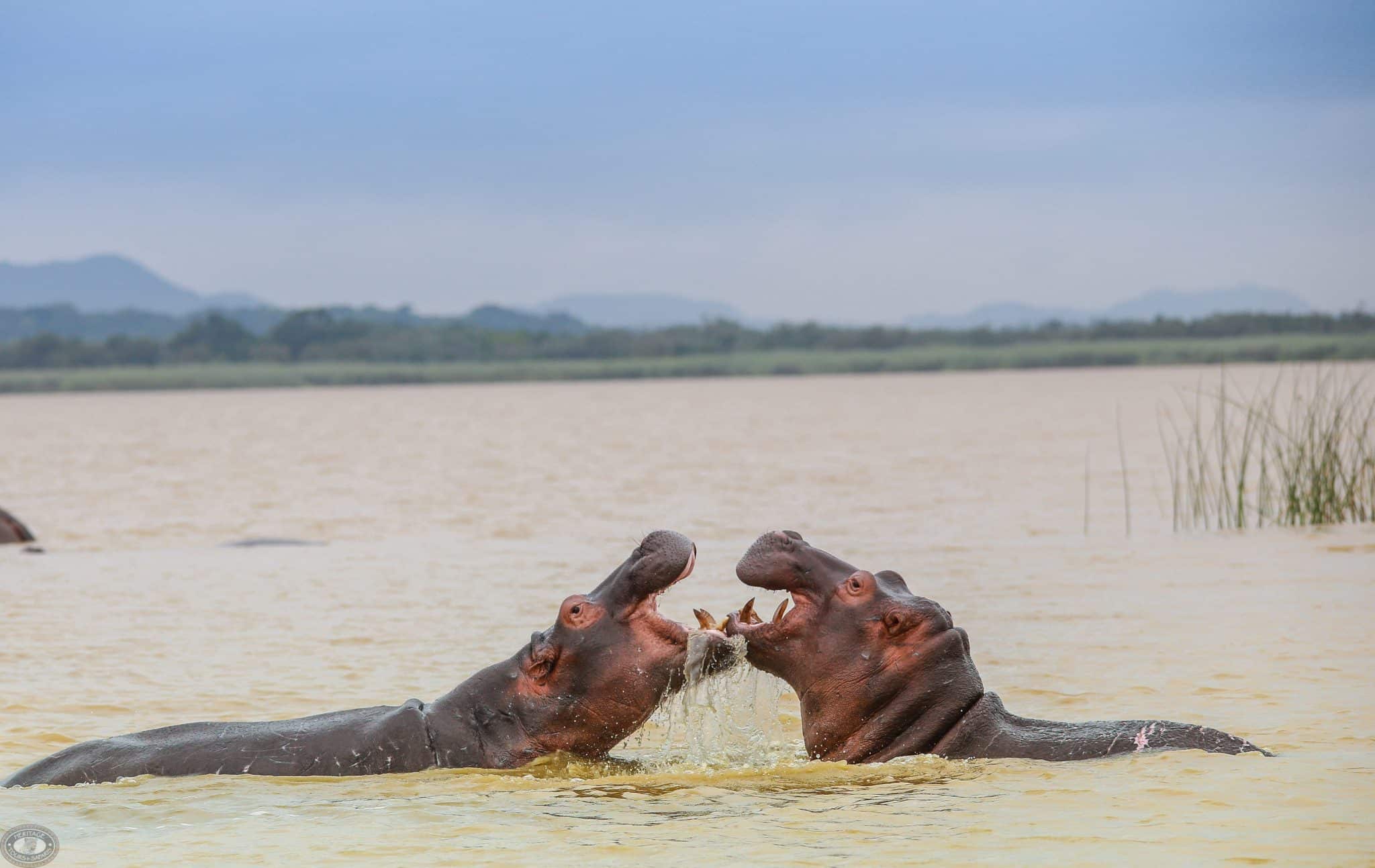
The iSimangaliso Wetland Park is one of South Africa’s most extraordinary nature destinations and one of the best places to understand what makes KwaZulu-Natal so special. This isn’t a park with only one “main attraction.” It’s a living mosaic where wetlands, estuaries, lakes, grasslands, coastal forest, giant dunes, coral reefs and a wild Indian Ocean coastline sit side by side. In the same trip you can cruise past hippos, watch crocodiles bask, photograph antelope in dappled forest light, and end the day on a remote beach with waves rolling in from the horizon.
Most travellers experience the iSimangaliso Wetland Park through St Lucia, the park’s most popular gateway town. St Lucia has that unforgettable “wild-town” feel (hippos really do wander the streets at night), easy access to hippo boat cruises and guided drives, and it’s perfectly positioned for travellers who want to combine coast and bush. And if you want the ultimate northern KZN combination, adding Hluhluwe-iMfolozi Park as a highlight turns your holiday into a complete experience: UNESCO wetlands and coastline + classic Big Five safari country.
This guide is written for travellers planning a real itinerary. It explains where the iSimangaliso Wetland Park is, why it was awarded UNESCO status, what to see and do, wildlife species with facts, conservation and ecotourism, and how to include St Lucia, Mkuze, Sodwana Bay, Kosi Bay (including the famous fish traps), and Hluhluwe-iMfolozi as must-do highlights.
About iSimangaliso Wetland Park | St Lucia, Cape Vidal, Sodwana & Kosi Bay Guide
Quick Planning Box: Best iSimangaliso Wetland Park Itineraries (St Lucia Base)
If you only have 1 Day To Visit (best “first-timer” plan)
-
Morning: Hippo & Croc Boat Cruise on the St Lucia Estuary (Hippo Boat Cruises depart every two hours)
-
Afternoon: iSimangaliso Coastal Safari (Eastern Shores / Cape Vidal area)
-
Evening: Dinner in St Lucia, (enjoy Zulu dancing at one of the numerous restauarants)
If you have 2 Days To Visit (best balanced plan)
-
Day 1: Full-Day iSimangaliso Safari (coastal forest / dunes / beach)
-
Day 2: Estuary Hippo boat cruise & an optional Sunset/late afternoon Safari
-
Or a Night Drive Safari if you want something different
If you have 3 Days To Visit (best “bucket-list” combo)
-
Day 1: Full-Day iSimangaliso Safari (Cape Vidal / Eastern Shores)
-
Day 2: Hippo Boat Cruise & Night Drive Safari
-
Day 3: Hluhluwe-iMfolozi Park Day Safari (classic Big 5 safari feel)
If you have 4–5+ days (best “complete iSimangaliso” experience)
-
Add Sodwana Bay (reef coast / ocean highlight)
-
Add Kosi Bay (lakes + culture + fish traps)
-
Add Mkuze Game Reserve (inland bush vibe—great contrast to the coast)
-
Finish with Hluhluwe-iMfolozi for the full northern KZN story

About iSimangaliso Wetland Park | St Lucia, Cape Vidal, Sodwana & Kosi Bay Guide
Where is iSimangaliso Wetland Park?
The iSimangaliso Wetland Park lies on the north-eastern coastline of KwaZulu-Natal, South Africa, stretching along the Indian Ocean and protecting a remarkable system of wetlands, lakes, estuaries, dunes, coastal forest and marine environments. Its most popular access point is St Lucia, a small town set beside the St Lucia Estuary and Lake St Lucia system.
One of the easiest ways to picture iSimangaliso is as a long, protected ribbon of coastline with multiple “jewels” or zones each offering a different experience. Depending on where you go, you can feel like you’re in a wetland wilderness, a forest reserve, a dune kingdom, or a tropical reef coastline. That variety is exactly why the park is so famous.

About iSimangaliso Wetland Park | St Lucia, Cape Vidal, Sodwana & Kosi Bay Guide
UNESCO World Heritage Status: Why iSimangaliso Was Awarded World Heritage Status
iSimangaliso Wetland Park was inscribed as a UNESCO World Heritage Site in 1999, recognised for its “Outstanding Universal Value.” In simple terms, UNESCO listed the iSimangaliso Wetland Park because it is exceptionally beautiful, ecologically dynamic, and biodiversity-rich, with natural processes that are globally significant.
UNESCO uses specific criteria for World Heritage recognition. The iSimangaliso Wetland Park is listed under natural criteria commonly described as:
1) Exceptional natural beauty and natural phenomena (Criterion vii)
iSimangaliso is visually spectacular: vegetated dunes, endless beaches, shimmering wetlands, forest canopies, estuary channels reflecting golden light, and wide ocean horizons. But UNESCO’s “beauty” criterion also includes remarkable natural phenomena, like the way water conditions shift in the lake and estuary system over time. Droughts, floods, and the dynamics of the estuary mouth can change salinity and water levels, creating a living environmental drama that influences everything from fish nurseries to bird distribution.
Along the coastline, nature puts on its own show too seasonal ocean movement, the feeling of wild remoteness, and iconic marine events associated with this part of the KZN coast.
2) Ongoing ecological and biological processes (Criterion ix)
This is where iSimangaliso really shines. The park protects a connected chain of environments from freshwater lakes to estuaries to coastal forests to marine zones. That connectivity supports migrations, breeding cycles, nurseries for fish, and the continuous relationship between land and sea. It’s a place where you can genuinely witness ecological processes at work: estuaries feeding birdlife, dunes shaping microhabitats, and wetlands acting as filters and buffers.
3) Biodiversity and threatened species (Criterion x)
iSimangaliso supports high biodiversity across many ecosystems, protecting habitat that matters for species survival. Because the park includes such a broad range of environments, it can support a wider set of species than most single-habitat reserves. That includes wetland specialists, forest species, coastal and marine life, reptiles, large mammals, and extraordinary birdlife often in the same itinerary.
In short: UNESCO recognised the iSimangaliso Wetland Park because it protects one of the world’s most remarkable coastal wetland systems, scenic, complex, and vital for biodiversity.

About iSimangaliso Wetland Park | St Lucia, Cape Vidal, Sodwana & Kosi Bay Guide
Why is the iSimangaliso Wetland Park So Unique
Many parks do one thing exceptionally well, big game, birding, beaches, or scenic drives. iSimangaliso Wetland Park stands out because it delivers multiple world-class experiences in one connected protected landscape.
-
Wetland-to-Ocean Diversity: estuaries and freshwater lakes connect to dunes, coastal forests and marine environments.
-
Wildlife Variety: reptiles, birds, antelope, larger mammals and marine life can all appear within one trip.
-
Scenic Extremes: calm water systems, towering vegetated dunes, coral reef coast and open ocean horizons.
-
A Perfect Gateway Town: St Lucia makes planning easy and tours accessible.
-
Easy to combine with the Hluhluwe-iMfolozi Park: a classic safari add-on that completes the “coast + bush” story.
If you want a destination that feels different every time you turn a corner, iSimangaliso is exactly that.

About iSimangaliso Wetland Park | St Lucia, Cape Vidal, Sodwana & Kosi Bay Guide
Ecosystems: Estuary, Lake, Dunes, Forest and Ocean
To understand the iSimangaliso Wetland Park, think in layers. Each layer supports a different species, and each one adds something unique to your journey.
1) The St Lucia Estuary and Lake System
The estuary is the park’s heartbeat. It’s productive, nutrient-rich and constantly changing hippos surfacing in pods, crocodiles basking along banks, and waterbirds feeding in the shallows. A boat cruise is one of the best ways to experience this ecosystem safely because you can observe wildlife naturally without pressure, and the viewing angles for photography are excellent.
2) Wetlands and Grasslands
Wetlands aren’t just “wet areas.” They are biodiversity engines. They filter water, support insect life (which feeds birds), create breeding grounds for aquatic species, and provide feeding habitat for many animals. In iSimangaliso, wetlands can shift and change with rainfall, seasons and water flow one reason the park always feels alive and different.
3) Coastal Forest and Woodland
Move away from the water and you enter coastal forest and woodland cooler shade, different bird calls, and a distinct wildlife feel. This is where you might spot antelope species, monkeys and a surprising variety of birds. Forest drives are especially rewarding early morning and late afternoon when light is softer and animals are more active.
4) Vegetated Dunes and Viewpoints
iSimangaliso’s dunes are dramatic and vital. Dunes stabilise coastlines, protect inland habitats from storms, and create microhabitats. From certain viewpoints you can experience one of iSimangaliso’s signature moments: wetlands on one side, ocean on the other two worlds separated by sand, yet linked in one ecosystem.
5) The Marine Edge: Beaches, Reefs and the Northern Coast
The marine side of iSimangaliso Wetland Park is where the park feels almost tropical. The northern coastline includes areas like Sodwana Bay, famous for its reef environments and warm Indian Ocean waters. Even if you’re not diving, Sodwana is a bucket-list coastal highlight because it represents iSimangaliso’s ocean identity: clear water, reef life, and that distinctive Maputaland coastal atmosphere.
Further north, Kosi Bay adds a different kind of magic linked lakes and channels, and an experience where cultural heritage and nature blend beautifully.


About iSimangaliso Wetland Park | St Lucia, Cape Vidal, Sodwana & Kosi Bay Guide
St Lucia: The Gateway Town You’ll Love
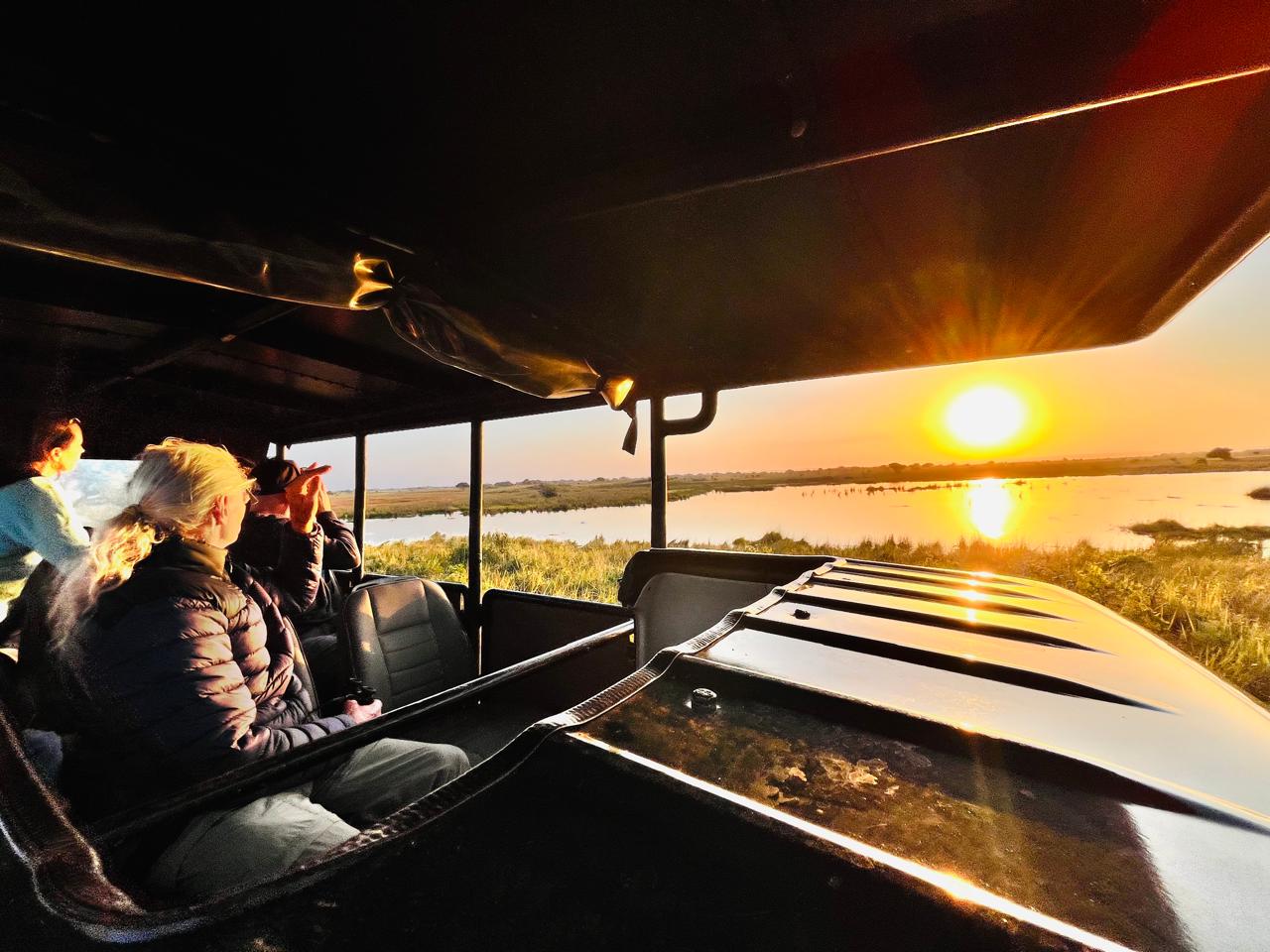
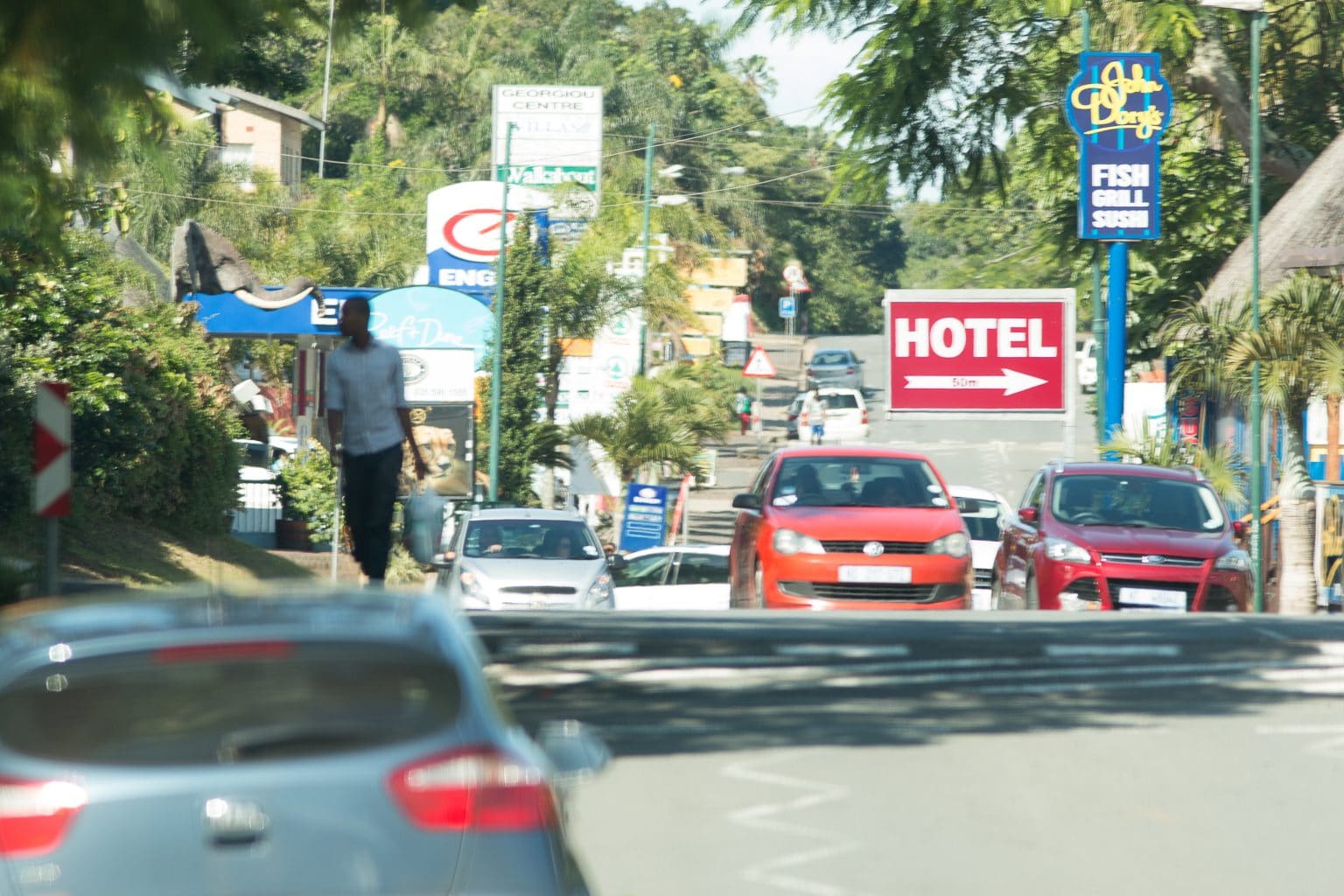
St Lucia is more than a base it’s part of the adventure. The town sits beside the estuary, so wilderness is never far away. In the evening you may hear hippos calling, see birds settling into roosts, and feel the unmistakable “edge-of-the-wild” atmosphere that makes St Lucia different from a typical coastal town.
St Lucia also makes travel easy: accommodation, restaurants, tour departures and a strong tourism culture built around nature. Many iSimangaliso experiences depart from St Lucia, including boat cruises, full-day coastal safaris and night drives.
St Lucia safety reminder: Hippos do roam at night. Avoid walking near the estuary after dark, keep a safe distance if you see them, and never try to squeeze past a hippo on a road or path. If a hippo is in the street, the correct move is simple: give it space and let it pass, and do Not Approach.
About iSimangaliso Wetland Park | St Lucia, Cape Vidal, Sodwana & Kosi Bay Guide
Mkuze Game Reserve: Part of the iSimangaliso Story
Many travellers don’t realise that the Mkuze Game Reserve forms part of the broader iSimangaliso Wetland Park experience, adding an inland, bushveld-style layer to the World Heritage landscape.
Mkuze adds:
-
a more traditional “bush” feeling
-
different plant communities and birdlife
-
an alternative wildlife-viewing atmosphere compared to the estuary/coast zones
-
a powerful contrast for travellers who want both forested wetland scenery and more open reserve landscapes
- Wildlife species found within this park of note include Lions and Wild Dogs

Sodwana Bay: The Reef Coast Highlight
Sodwana Bay is one of the northern “headline” names travellers associate with this coastline, and it deserves a place in your iSimangaliso Wetland Park guide. While St Lucia is the gateway for many classic activities, Sodwana represents the park’s ocean identity: reef environments, warm waters, and a beach culture that feels distinctly Maputaland.
Even if a guest doesn’t dive, Sodwana adds value to an itinerary because:
-
it shows the marine side of iSimangaliso is not just “a beach,” but a living ecosystem
-
it offers a very different coastal atmosphere than the St Lucia area
-
it helps travellers understand iSimangaliso’s size and variety

About iSimangaliso Wetland Park | St Lucia, Cape Vidal, Sodwana & Kosi Bay Guide
Kosi Bay: Lakes, Channels and the Famous Fish Traps
Kosi Bay is another jewel in the iSimangaliso’s crown an area of linked lakes and channels where nature and culture are inseparable. Many travellers visit Kosi Bay for the scenery alone: calm waters, lush edges, and a feeling of being at the far end of the coastline where the environment becomes quieter and more remote.
But Kosi Bay is also famous for its traditional fish traps, a cultural highlight that makes this region globally interesting.
Brief facts: Kosi Bay fish traps (how they work)
-
The traps are traditionally built from sticks and brushwood, arranged as fences and channels in the water.
-
The design guides fish with the movement of water (often linked with tidal flow and current), directing them into enclosed areas that are easier to harvest.
-
Many descriptions explain that the system is cleverly designed so fish can enter but struggle to exit like a natural maze made from local materials.
-
It’s widely viewed as an example of long-standing local knowledge and heritage, and when practiced traditionally, it is often described as a sustainable method because it relies on skill, timing, and local conditions rather than industrial-scale extraction.
For travellers, this is a rare experience: a protected landscape that also carries living heritage deepening the trip beyond wildlife alone.
Wildlife Species and Facts: What You Can See in iSimangaliso Wetland Park
The iSimangaliso Wetland Park is famous for headline animals hippos and crocodiles but the real magic is the breadth of wildlife across different zones. What you see depends on where you explore (estuary, forest, dunes, shoreline), the time of day, and the season.
Hippos (Hippopotamus amphibius)
-
Estuary icons: Hippos are the signature species of the St Lucia system, often seen in pods surfacing and snorting.
-
Night grazers: Hippos spend hot hours in water, then feed on land after dark (one reason St Lucia gets hippo visitors in town).
-
Surprising speed: Hippos can move far faster than most people expect on land.
-
Respect and space: View from boats, vehicles or safe distances never approach for photos.
Nile crocodiles (Crocodylus niloticus)
-
Ancient predators: Built for ambush stillness, patience, explosive speed.
-
Basking behaviour: They bask to regulate temperature, so bankside sightings are common.
-
Long-lived: Crocs can live for decades in suitable habitats.
-
Safety first: Never swim in the estuary waters; follow local guidance.
Elephant, buffalo, leopard and more (zone dependent)
Depending on where you explore, iSimangaliso can reveal elephant, buffalo, antelope species, and on lucky days, predators like leopard. What makes the experience special is not only “what you see,” but the fact that you can see it against multiple backdrops: wetlands, forest, dunes and ocean.
Antelope and forest-edge species
-
Nyala: a northern KZN favourite and a beautiful forest-edge antelope.
-
Bushbuck and duiker: shy and quick rewarding to spot early morning.
-
Warthog: common in open patches and along roadsides in suitable zones.
Birdlife (one of iSimangaliso’s greatest strengths)
Birding is exceptional here because habitats change quickly. Estuary birds, forest birds, raptors and coastal species occur within one protected area. Even travellers who are not “birders” often leave iSimangaliso talking about fish eagles, kingfishers, herons, egrets, storks, and the constant movement of life around the water’s edge.
Marine moments: turtles, dolphins and whales (coastline dependent)
Along the coastline, travellers may experience marine life in different ways depending on season and location dolphins, migrating whales, and turtle-linked coastal experiences are part of the wider identity of the iSimangaliso region. The key point for your article: iSimangaliso is n