iSimangaliso Wetland Park History and Heritage Guide
Discover the rich history of the iSimangaliso Wetland Park, Zulu heritage, Operation Rhino, UNESCO status, and the evolving story of Africa’s oldest protected estuary.
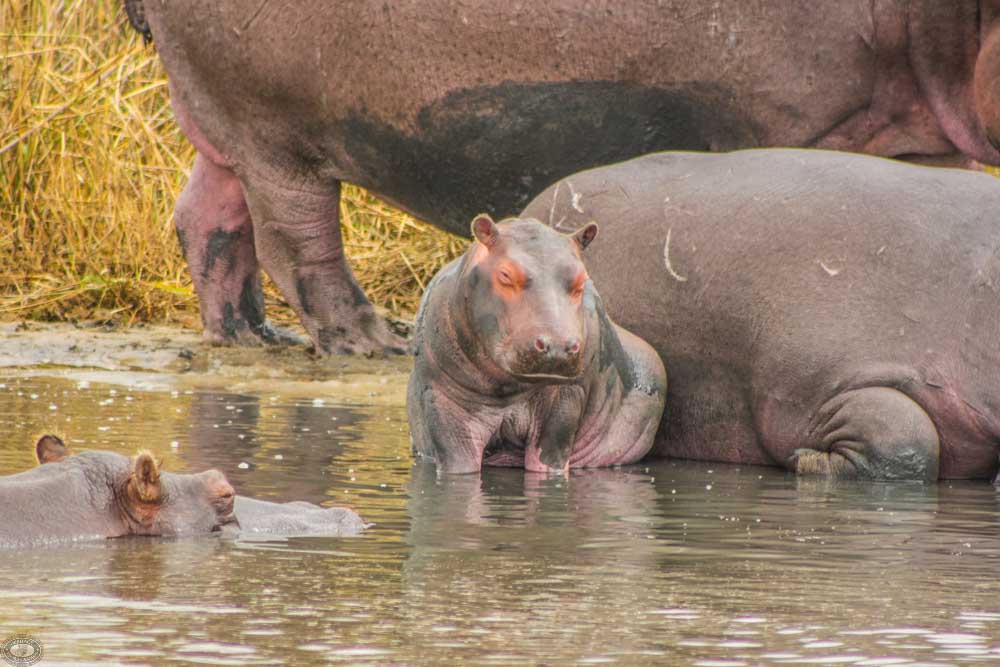
iSimangaliso Wetland Park, A History Written by Water, Wildlife, and People
The iSimangaliso Wetland Park, starts from Maphelane in the South to the Mozambique border in the North, it's more than a postcard of beaches, wetlands, forests, and savanna grasslands. It’s a living archive of human ingenuity, climatic change, and bold conservation. Inscribed as South Africa’s first UNESCO World Heritage Site in 1999, iSimangaliso (“the miracle” in isiZulu) protects Africa’s largest estuarine system Lake St Lucia alongside coastal dunes among the highest on earth, ancient sand forests, coral reefs in Sodwana Bay, and a mosaic of habitats that have shaped life for millennia.
This history article traces the park’s timeline from deep-time geological origins to Zulu cultural landscapes, colonial pressures, 20th-century conservation victories, and today’s regenerative tourism model. Whether you’re planning a visit from the St Lucia village or researching the region’s past, this guide offers the context that brings the landscape to life.

iSimangaliso Wetland Park History and Heritage Guide
Deep Time: How Water Built a World
Long before people named it, the iSimangaliso coastline was being engineered by wind, currents, and floods. Over the last 120,000+ years, shifting sea levels sculpted a ribbon of parallel dune cordons, trapped freshwater behind them, and created lagoons and pans that now host hippos, crocodiles, and migratory birds. Seasonal rivers like the Mfolozi and Mkuze deposited nutrient-rich sediments into the Lake St Lucia estuary, feeding plankton blooms and a thriving food web that still supports prawns, fish nurseries, and birdlife on a continental scale.
These changing shorelines left a fossil and geomorphic record in the dunes and pan fields a natural archive explaining why iSimangaliso’s biodiversity is unusually concentrated in such a slender coastal belt.

People of the Wetlands, Indigenous Knowledge and Trade
Zulu Cultural Landscapes
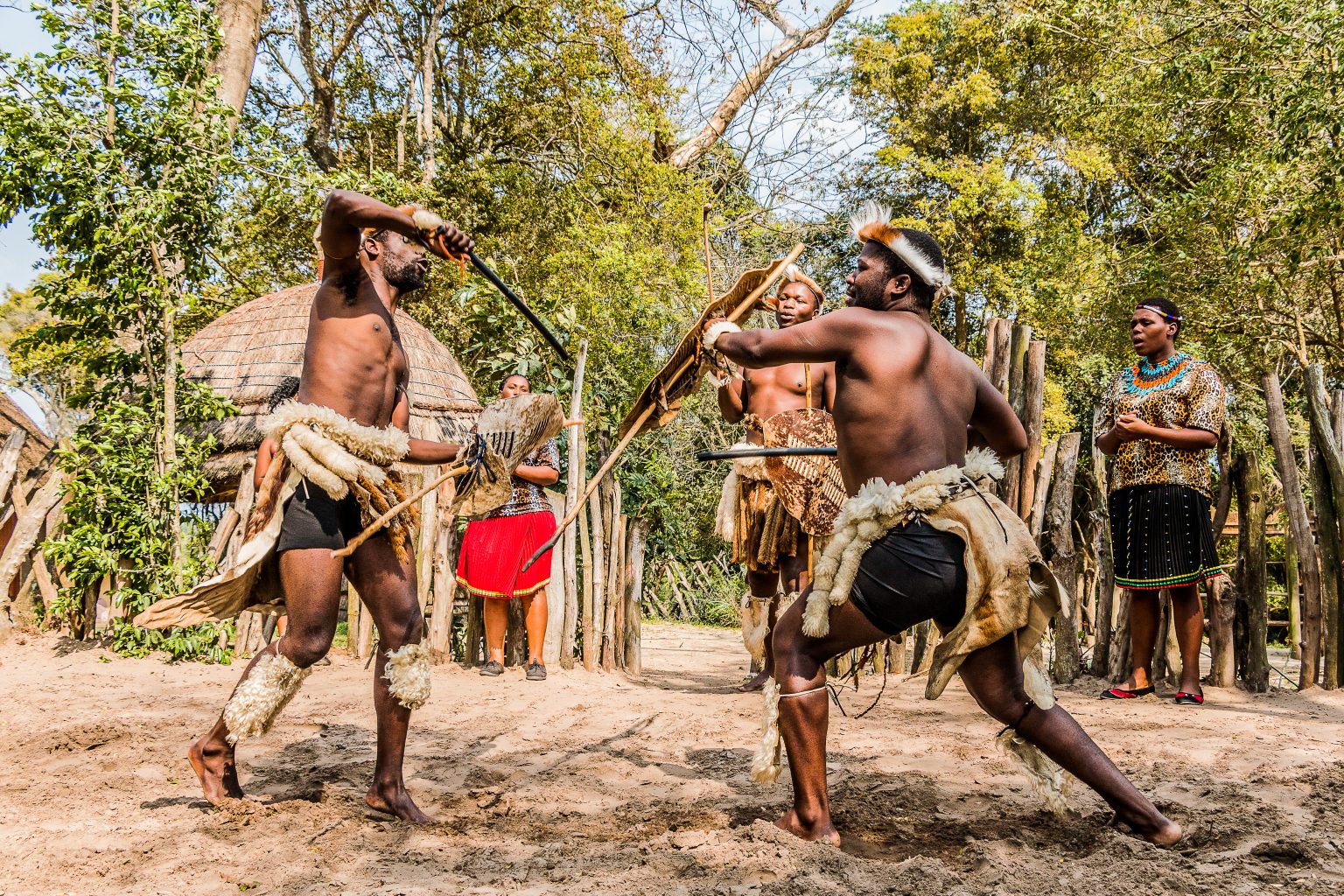
For centuries, Zulu-speaking communities have harvested sustainably from the rich waters and forests, fish-trapping, reed cutting, beekeeping, and small-scale subsistence agriculture. Local knowledge of tides, channels, and seasonal fish runs shaped livelihoods while preserving the ecological balance. Sacred sites and clan histories are interwoven with dunes, pans, and river mouths, making cultural heritage inseparable from the wetlands themselves.
Indian Ocean Connections
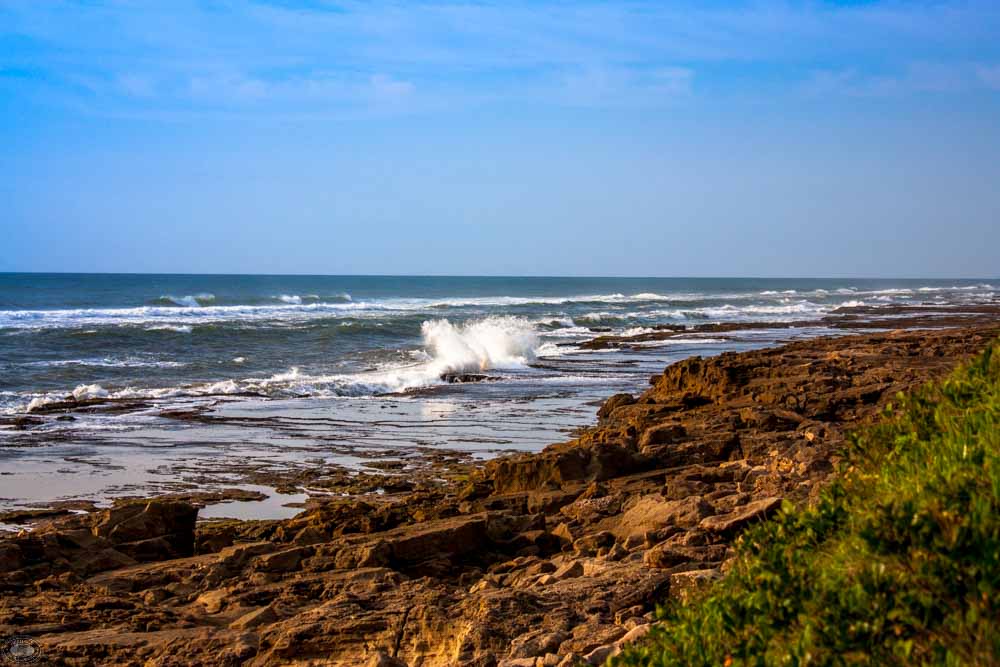
The coastline formed part of an Indian Ocean trading zone, with maritime routes that linked East Africa, Arabia, and India. Shell beads, ironworking traditions inland, and later Portuguese mapping testify to a corridor where goods, ideas, and languages moved along Africa’s rim. The historical Kosi Bay fish traps, still visible today north of Sodwana Bay, reflect an indigenous engineering tradition perfectly tuned to tidal flows.
iSimangaliso Wetland Park History and Heritage Guide
Colonial Eyes on a “Frontier” Coast
From the 1820s, European and Boer explorers recorded the St Lucia lakes and dunes, often describing them as a “wilderness” while overlooking active indigenous management. The late 19th and early 20th centuries brought land alienation, game reduction, and timber extraction especially in the coastal dune forests. Yet the same period also saw the first protective proclamations for parts of the lake system and coastal reserves, the seeds of a future integrated park.
Conservation Takes Shape, From Fragmented Reserves into a Unified Vision
Operation Rhino & the Greater Conservation Story
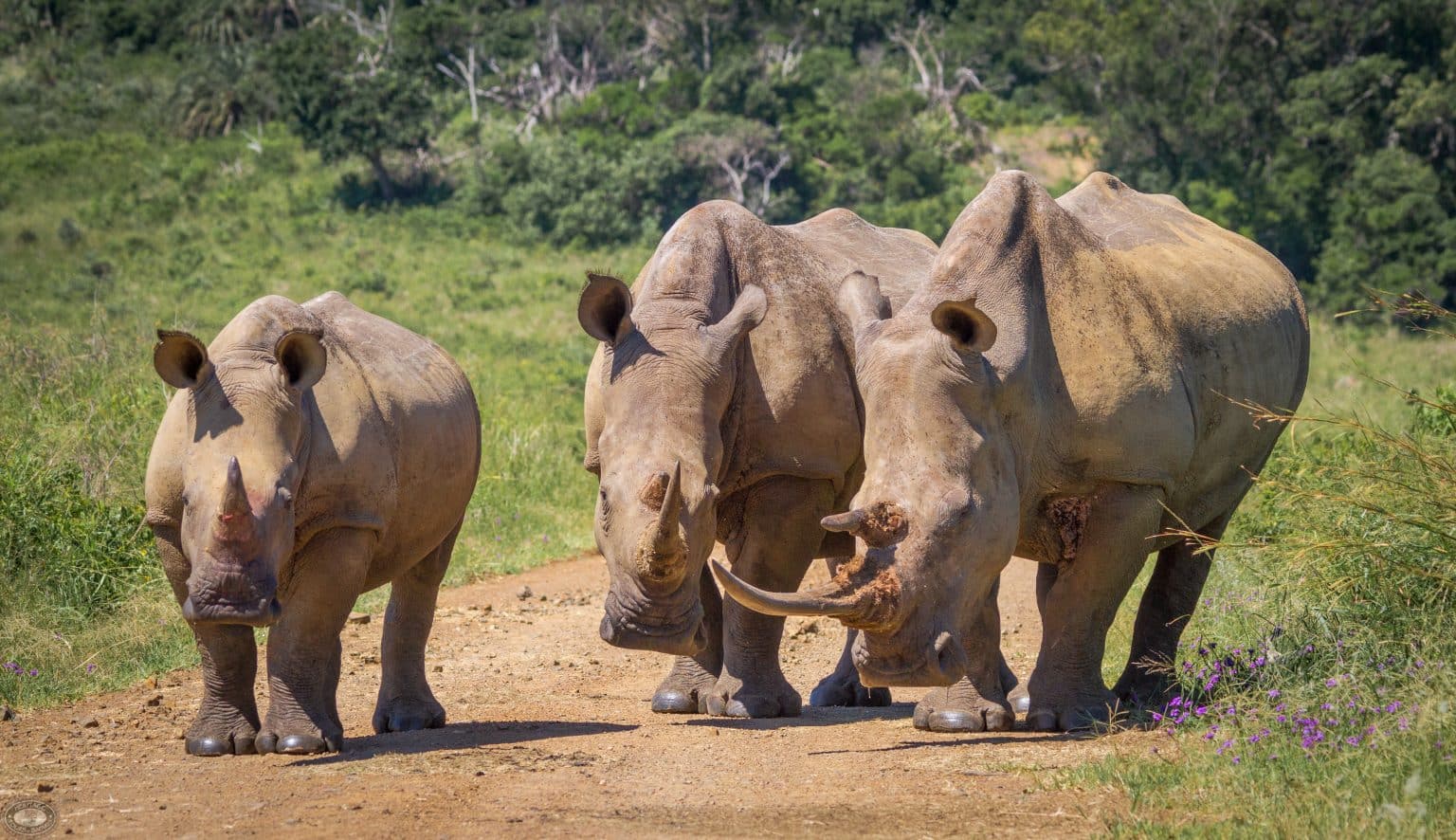
While Operation Rhino (1960s) unfolded primarily in the neighbouring Hluhluwe–iMfolozi Park, its impacts radiated across KwaZulu-Natal, catalysing South Africa’s identity as a conservation leader. The broader Zululand region became a model for large mammal recovery, community engagement, and scientific management, providing expertise and momentum later crucial to iSimangaliso’s integrated planning.
Ending Fragmentation
Through the late 20th century, the coastline comprised a patchwork of reserves: St Lucia Game Reserve, Eastern Shores, Western Shores, Sodwana Bay (a diver’s mecca), Kosi Bay, and Cape Vidal. Conservationists and local champions argued for a single, science-based management authority. The goal: protect ecological processes across 2,000+ km² of land and 220 km of coastline linking dunes, estuary, pans, forests, and reefs into one functioning system.

iSimangaliso Wetland Park History and Heritage Guide
1999 UNESCO World Heritage Inscription
In December 1999, the Greater St Lucia Wetland Park (renamed iSimangaliso in 2007) was inscribed under criteria highlighting exceptional biodiversity, ongoing ecological processes, and outstanding natural beauty. The inscription recognised:
-
The largest estuarine system in Africa (Lake St Lucia)
-
Habitat diversity: coral reefs, seagrass beds, mangroves, dune forests, wetlands, and savanna
-
The interaction of terrestrial, freshwater, estuarine, and marine ecosystems in a tight coastal corridor
-
Endemic and threatened species, from turtles to rare plants and birds
UNESCO status unlocked global visibility, funding pathways, and a governance framework that foregrounded biodiversity + community benefits + tourism as mutually reinforcing pillars.

The 21st Century: Restoration, Reconnection, and Resilience
Re-wetting a Giant Estuary
iSimangaliso Wetland Park's recent history is a story of restoring natural hydrology. Past management often kept Lake St Lucia artificially open to the sea or diverted flows from the Mfolozi River to mitigate sedimentation. The modern approach prioritises natural variability allowing droughts and floods to shape salinity, fish recruitment, and nutrient cycles as they have for millennia.
The outcome: a more resilient estuarine system that can better withstand climate extremes.

iSimangaliso Wetland Park History and Heritage Guide
Wildlife Comebacks
With better connectivity across the park and reduced poaching pressure, many species rebounded. Hippo pods flourish in channels; Nile crocodiles bask along the sandbanks; leatherback and loggerhead turtles return to nest on protected beaches; and rhino conservation expertise from the Hluhluwe–iMfolozi Park informs regional protection strategies. Offshore, the dive sites of Sodwana Bay where a coelacanth was famously rediscovered in deep waters in 2000—continue to dazzle divers with reefs teeming with life.

People at the Centre
Land restitution programs and community-based tourism aim to ensure that the benefits of UNESCO status reach local residents. Partnerships enable training, SMME support, craft markets, guiding opportunities, and co-management structures.
The guiding principle remains clear: conservation succeeds when communities thrive.
iSimangaliso Wetland Park History and Heritage Guide
A Quick Timeline of iSimangaliso Wetland Park's Past
-
Deep time: Dune cordons form; pan fields and Lake St Lucia evolve with sea-level shifts.
-
Pre-colonial era: Indigenous communities practice sustainable harvesting, fish traps, and forest use.
-
1820s–1900s: Colonial mapping, timber extraction; initial game reserves proclaimed.
-
1960s: Operation Rhino in Hluhluwe–iMfolozi shapes regional conservation capacity.
-
1980s–1990s: Integrated planning grows; multiple reserves envisaged as a single ecological unit.
-
1999: World Heritage inscription of the Greater St Lucia Wetland Park.
-
2007: Officially renamed iSimangaliso Wetland Park.

iSimangaliso Wetland Park History and Heritage Guide
Why History Matters When You Visit
Understanding the park’s past enriches every moment on the ground:
-
When you watch Hippos surface in the estuary, you’re seeing a hydrological saga in motion. see Hippo Facts
-
Walking the dune forests at Cape Vidal or the Eastern Shores, you’re inside a 10,000-year experiment in wind and sand.
-
Standing by historic fish traps in the far north, you’re meeting an ancient engineering tradition still in use.
-
Diving at Sodwana Bay, you witness reefs linked to river pulses, mangrove nurseries, and ocean currents that stitched cultures together long before modern borders.
Responsible Travel: Be Part of the Next Chapter
History here is not finished it’s being written with every policy choice and every visitor. A few ways to travel well:
-
Choose accredited local guides and operators who invest in conservation and community.
-
Travel plastic-free and tread lightly on dunes and beaches—turtle nesting depends on it.
-
Observe wildlife at ethical distances; the park is not a zoo and animals set the terms.
-
Support community-owned enterprises and cultural experiences that celebrate Zulu heritage.
-
Visit year-round: seasons bring different wonders—turtle nesting (summer), whale migrations (winter), birding peaks after rains.
iSimangaliso Wetland Park History and Heritage Guide
Plan Your Historical Journey from St Lucia
Base yourself in St Lucia, KwaZulu-Natal, the quaint gateway town where hippos sometimes wander at night. From here, you can explore the Estuary Boardwalk, Eastern and Western Shores game drives, Cape Vidal beaches, and Sodwana Bay. Pair your iSimangaliso explorations with a day in Hluhluwe–iMfolozi Park on a Big 5 Safari to connect the dots with Operation Rhino and the region’s Big Five legacy.
-
Looking for curated tours and historical context woven into your itinerary? Book with an established, conservation-minded operator. (Heritage Tours & Safaris)
-
Prefer a base with in-house safari expertise? Consider St Lucia At Heritage House guesthouse that partners directly with local guides for seamless lake, beach, and bush experiences.
See our iSimangaliso Wetland Park Tours
See our Hluhluwe Imfolozi Park Safaris

iSimangaliso Wetland Park History and Heritage Guide
Frequently Asked Questions about the iSimangaliso Wetland Park (history & heritage)
Conclusion: A History You Can Walk Through
The history of iSimangaliso Wetland Park is the story of water and wind crafting a sanctuary; of Zulu communities reading tides and seasons; of 20th-century conservationists stitching fragmented reserves into one; and of today’s travellers supporting a regenerative future. When you step onto a boardwalk at dawn, hear hippos grumble through the mist, or watch a turtle’s tracks vanish under the incoming tide, you’re not just sightseeing you’re witnessing history still happening.
Ready to explore the miracle? Start in St Lucia, pair iSimangaliso with a day in Hluhluwe–iMfolozi, and let experienced local guides connect the dots between past and present. Or set off on a Hippo Boat Cruise and get up close to the resident Hippos.


About Heritage Tours & Safaris
For over 20 years, Heritage Tours & Safaris has led small-group, conservation-minded experiences across iSimangaliso Wetland Park, St Lucia, and nearby Hluhluwe–iMfolozi Park. Based in St Lucia, our expert guides focus on authentic wildlife encounters from estuary boat cruises to Big Five game drives without hidden commissions or add-ons. We operate our own fleet, craft flexible itineraries (including exclusive Six on Safari options), and prioritise local community partnerships and eco-practices. Planning your trip? Start with our award-winning team and let us connect the coast, estuary, and bush into one seamless South African adventure.
See our Overnight Safari Packages


